The history involving the American Lincoln Wheat Penny shows many cases having public arguments about coin looks, but the 1909 incident concerning Victor David Brenner’s initials stays among the loudest events.
The appearance of "V.D.B." letters on the new one-cent release led to stopping production while creating a famous rare coin known globally.
Understanding the reasons for this trouble helps people see how artist choices hit government rules during the early twentieth century.
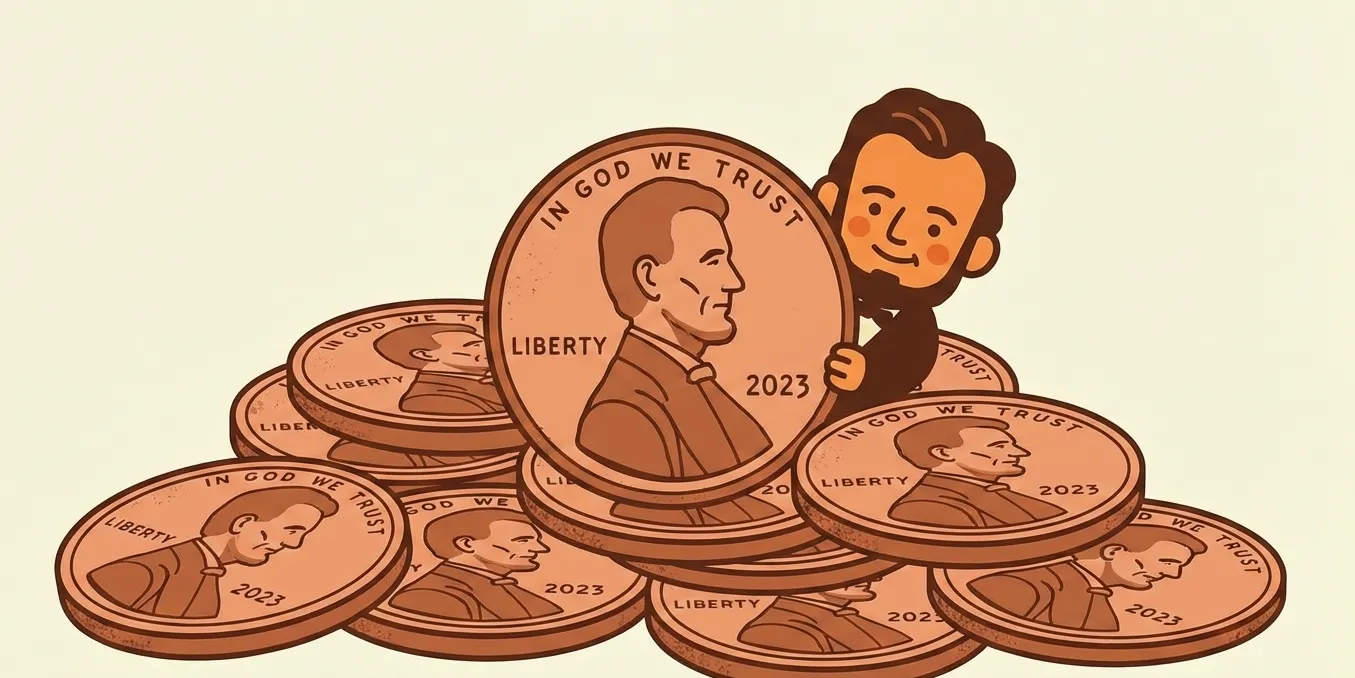
During 1909, the United States prepared for celebrating the hundredth birthday of Abraham Lincoln, marking a major change for the penny.
Before this moment, the one-cent coin used the "Indian Head" look for more than fifty years, staying the same since the middle of the nineteenth century.
Theodore Roosevelt, serving as the President, wanted making American coins more beautiful by using artistic designs. He believed the Lincoln portrait fit the special anniversary perfectly, wanting a person instead of a symbol.
The artist Victor David Brenner received the job after Roosevelt saw his work showing Lincoln on a special medal.
Brenner made a detailed and kind portrait of the sixteenth president, showing him looking right.
This event marked the first time in US history having a real person on a regular coin instead of the Liberty figure, changing the money rules forever.
Having finished the Lincoln portrait, Brenner started working on the back side of the coin, often called the reverse.
He suggested a design using two wheat stalks surrounding the words "ONE CENT" and "UNITED STATES OF AMERICA." In the bottom area of the reverse, sitting right under the wheat, the artist placed his initials using the letters "V.D.B."
During that period, putting an author signature on coins stayed rare but remained allowed under existing rules. For example, Charles Barber, working at the Mint for a long time, often placed a small "B" on his coins without causing problems.
However, Brenner made his initials quite large and visible, placing them in the center of the bottom area. This specific fact started the future trouble, leading to the massive public argument.
The first Lincoln pennies reached people on August 2, 1909, causing huge lines in front of the Mint buildings.
People wanted being the first seeing the coin showing the great president, but the joy changed to anger quickly.
Newspapers began printing stories accusing Brenner of loving himself too much by putting his name on money.
Critics said placing three large letters on government money acted as a form of illegal advertising for the artist.
The public believed government currency must not serve as a place for personal promotion for any master. The Mint and the Treasury Department faced strong pressure coming from the press and politicians, forcing a quick reaction.
The initials appeared too visible and contrasted with the general style of the coin design.
Critics saw the letters as an attempt by the artist making his name famous using government money.
Traditional people believed coins should only show state symbols instead of private person signatures.
Concerns arose about other artists starting to put full names on money in the future.
The trouble moved fast, leading to a major decision by government officials within days.
Only a few days after starting the release, Secretary of the Treasury Franklin MacVeagh ordered stopping the coin making having Brenner’s initials.
At that point, Philadelphia and San Francisco had already made hundreds of thousands of samples, but the amount remained too small for the whole country.
The Treasury Department demanded removing the letters from the design immediately, wanting a clean coin back. Brenner suggested making the letters smaller or moving them to a hidden place, but officials chose taking the most extreme path.
They ordered removing the "V.D.B." initials from the coin reverse completely, ignoring the artist's requests.
New tools were made in a very short time, allowing production to start again without the signature.
Stopping the work created a lack of coins having initials, especially those coming from San Francisco.
The Philadelphia Mint (having no mint mark) managed making about 28 million pieces, but the San Francisco Mint (having the "S" mark) made only 484,000 pieces before the stop order.
This tiny production number turned the 1909-S V.D.B. coin into the most wanted item for collectors everywhere.
Once people learned about the letters being removed, they started hiding these coins, knowing their future rarity.
Today, this coin serves as a symbol of American collecting, representing a unique moment in history.
1909 V.D.B. (Philadelphia) — about 27,985,000 coins produced
1909-S V.D.B. (San Francisco) — only 484,000 coins produced
1909 (Philadelphia, no V.D.B.) — about 72,702,000 coins produced
1909-S (San Francisco, no V.D.B.) — about 1,825,000 coins produced
Coin Version | Mint Mark | V.D.B. Initials | Production Number | Estimated Market Price |
1909 VDB | None (P) | Yes | 27.9 million | $15 – $50 |
1909-S VDB | S | Yes | 484,000 | $1,000 – $3,000+ |
1909 Plain | None (P) | No | 72.7 million | $3 – $10 |
1909-S Plain | S | No | 1.8 million | $100 – $300 |
Price depends on the coin's condition and changes often based on the market demand.
Despite the painful removal of initials during 1909, the story did not end there, showing a final victory for the artist.
Nine years later, in 1918, the government officially recognized Victor Brenner’s great work. Officials decided returning his initials to the coin, but this time they placed them in a much more hidden area.
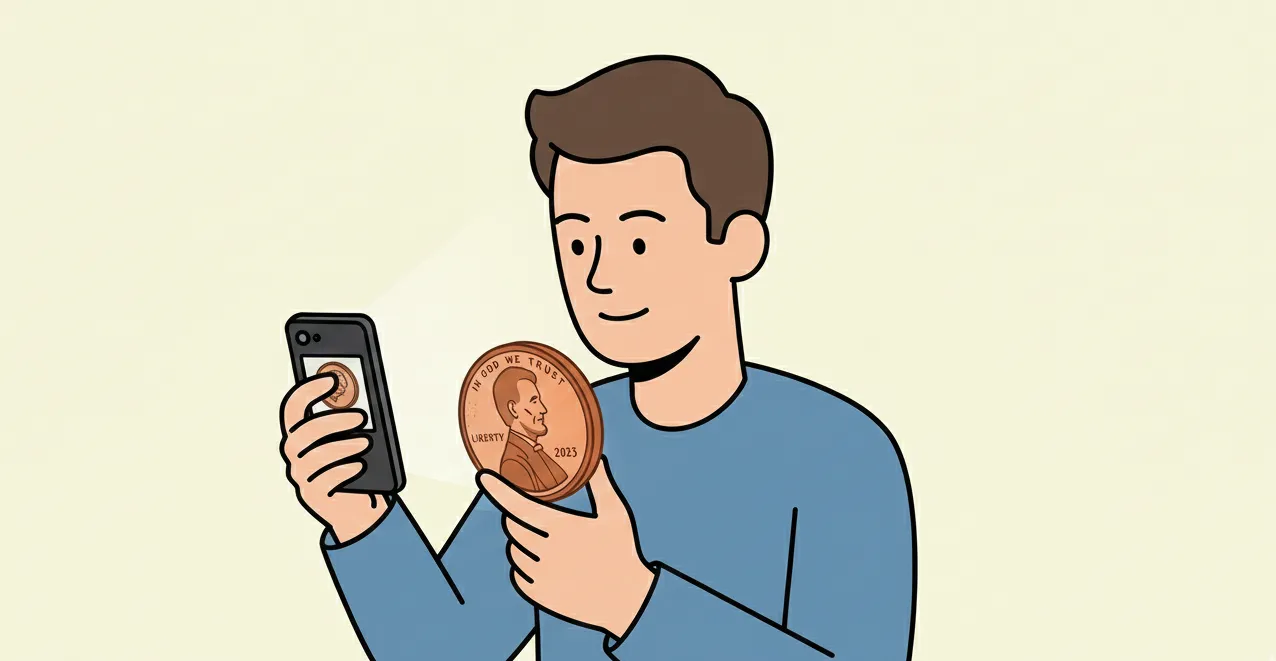
The "VDB" letters appeared on the bottom of Lincoln’s shoulder on the front side, often called the obverse. Being made tiny, they stay almost impossible seeing without using a magnifying glass or a coin identifier app.
The artist initials remain on the Lincoln pennies in this form today, serving as a compromise between artist rights and government modesty.
The 1909 events changed how the US Mint handles artist signatures on all coins made later. Since that time, author initials became a normal thing, but their size and placement started being strictly controlled.
Artists began using a single letter or tiny marks instead of large initials.
Placing the signature in clothing folds or other design parts became the standard method.
The public accepted the fact that every coin design comes from a specific person.
The value of coins having errors or short production times became clear to many people.
Due to the high price of this coin, many fake items exist in the market, tricking unaware buyers. Liars often take a regular 1909 V.D.B. coin and add an "S" letter or take a 1909-S coin without initials and add "V.D.B."
Things to check:
Looking at the "S" mint mark position, ensuring it was struck by the machine instead of being glued.
Checking the V.D.B. letter shape on the back with a free coin appraisal app, seeing if the middle bar in the "B" letter is slightly moved.
Watching the dots between the letters, since real coins have dots placed in a specific way against the font.
Finding metal marks around the mint mark, using a microscope to see any changes made to the surface.
Getting a certificate from trusted groups like PCGS or NGC, guaranteeing the coin is real.