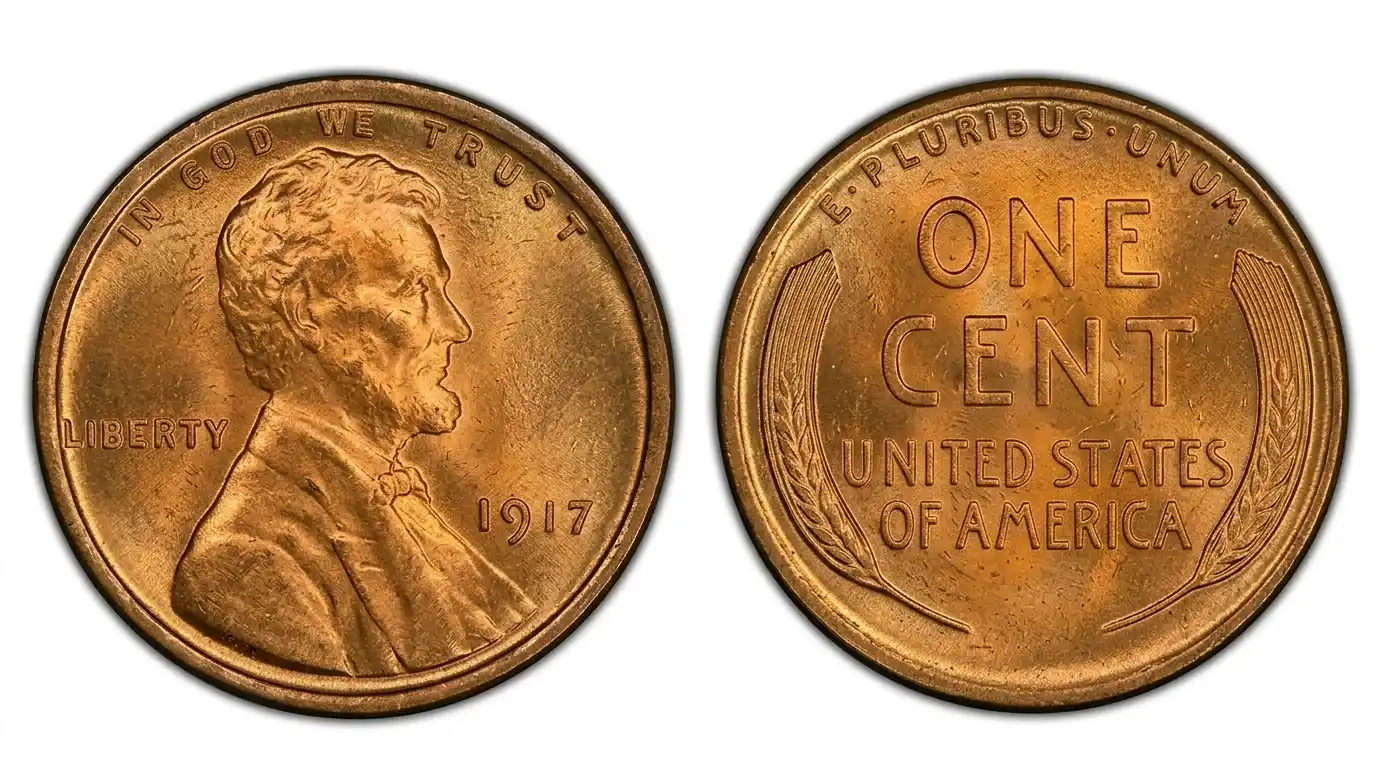
Mint locations determine the fundamental rarity level for any numismatic object.
Market 1917 penny value assessments rely on long-term auction movements.
Comparing initial mintage numbers against modern survival estimates highlights actual metal scarcity.
Philadelphia facilities produced the largest volume of these red metal coins.
San Francisco branch facilities demonstrate minimum production indicators.
Mint Location | Initial Mintage | Estimated Survivors | Perfect Condition Ratio |
Philadelphia | 196,429,785 | 15,000,000 | 0.05% |
Denver | 55,120,000 | 5,500,000 | 0.02% |
San Francisco | 32,620,000 | 3,200,000 | 0.01% |
Production volumes directly influence market demand.
High survival rates for standard specimens decrease collection appeal.
Scarcity for ideal samples provokes sharp price jumps at auctions.
Each mint facility utilized proprietary stamping matrices.
Equipment wear caused changes in the relief depth.
Matrix destruction created rare defective varieties.
Survival indicators rely on reports from leading certification firms.
Total numbers for coins in superior condition continue decreasing.
Price fluctuations demonstrate sustained growth for rare varieties.
Fixed pricing data follows for coins in MS65 state possessing red surface hues.
Coins originating from Philadelphia:
2024 price: $350 per piece.
2025 price: $390 per piece.
2026 price: $450 per piece.
Coins originating from Denver:
2024 price: $3000 per piece.
2025 price: $3250 per piece.
2026 price: $3900 per piece.
Coins originating from San Francisco:
2024 price: $6300 per piece.
2025 price: $7100 per piece.
2026 price: $8200 per piece.
Percentage value growth results from new investor arrivals.
Standard specimens in poor preservation show no significant appreciation.
Inflationary pressures stimulate investment into physical assets.
High-purity red metal serves as a reliable vehicle for capital preservation.
Pure red metal reacts actively with atmospheric oxygen.
Gradual surface oxidation changes initial coin colors.
Certification centers categorize these coins into three strictly divided groups.
Each category determines market pricing.
This group includes coins losing over ninety-five percent of original luster.
Metal surfaces acquire deep chocolate tones.
Circulated coins most commonly exhibit this patina type.
2024 price for Philadelphia BN cent: $0.50 per piece.
2025 price: $0.60 per piece.
2026 price: $0.75 per piece.
This status applies to coins retaining between five and ninety-five percent of original luster.
Color shifts create unique visual patterns.
Valuation for such specimens noticeably exceeds brown counterparts.
2024 price for Denver RB cent: $180 per piece.
2025 price: $210 per piece.
2026 price: $240 per piece.
Designation RD applies to coins retaining over ninety-five percent of original luster.
Such metal avoided prolonged environmental interaction.
Finding similar specimens in circulation remains impossible.
2024 price for red San Francisco coin: $16800 per piece.
2025 price: $25200 per piece.
2026 price: $28000 per piece.
Mint errors transform ordinary cents into unique artifacts.
Malfunctioning presses leave characteristic marks on the red metal disc.
This defect occurs due to matrix shifting during the creation of the working tool.
Double strikes leave duplicating images on coin surfaces.
Doubling appears clearly on the LIBERTY inscription.
Letters for the motto IN GOD WE TRUST also exhibit characteristic double contours.
Date digits demonstrate similar shifting.
2024 price for doubled coin in moderate condition: $800 per piece.
2025 price: $950 per piece.
2026 price: $1150 per piece.
Record auction price for an ideal specimen featuring this error reached $120000.
Errors happen during incomplete fastening of the metal disc inside the pressing node.
Part of the relief ends up outside the circular blank.
Shifting measurement happens in percentages of the total diameter.
Specimens showing fifty percent shifts while retaining the issue date command highest values.
2024 price for shifted cent: $320 per piece.
2025 price: $380 per piece.
2026 price: $440 per piece.
Prolonged usage of stamping tools causes cracking in hardened steel.
Soft metal flows into created voids during strikes.
Finished coins display thin raised metallic scars.
Numismatists call this defect a die break.
2024 price for specimen featuring cracks: $45 per piece.
2025 price: $55 per piece.
2026 price: $70 per piece.
Blank discs sometimes leave the facility without passing through the stamping phase.
Smooth red metal discs represent scientific interest for minting technology researchers.
Authenticity confirmation requires precise coin weighing.
2024 price for smooth blank: $35 per piece.
2025 price: $42 per piece.
2026 price: $50 per piece.
Compliance with established state standards allows for forgery exclusion.
Physical Parameter | Established Specification |
Mass | 3.11 grams |
Diameter | 19.05 millimeters |
Thickness | 1.52 millimeters |
Alloy Composition | bronze blend |
Disc Shape | round |
Edge Type | smooth |
Denomination | $0.01 |
Weight deviations indicate usage of non-original alloys.
Worn coin weights might decrease slightly due to mechanical circulation friction.
Wear levels determine final Sheldon scale grades.
Relief preservation assessment occurs under a free coin scanner.
Specimens contain no signs of circulation.
Surfaces retain original stamping luster.
Small nicks from coin contact during transport inside bags remain acceptable.
Coin value rises exponentially transitioning from MS63 to MS68.
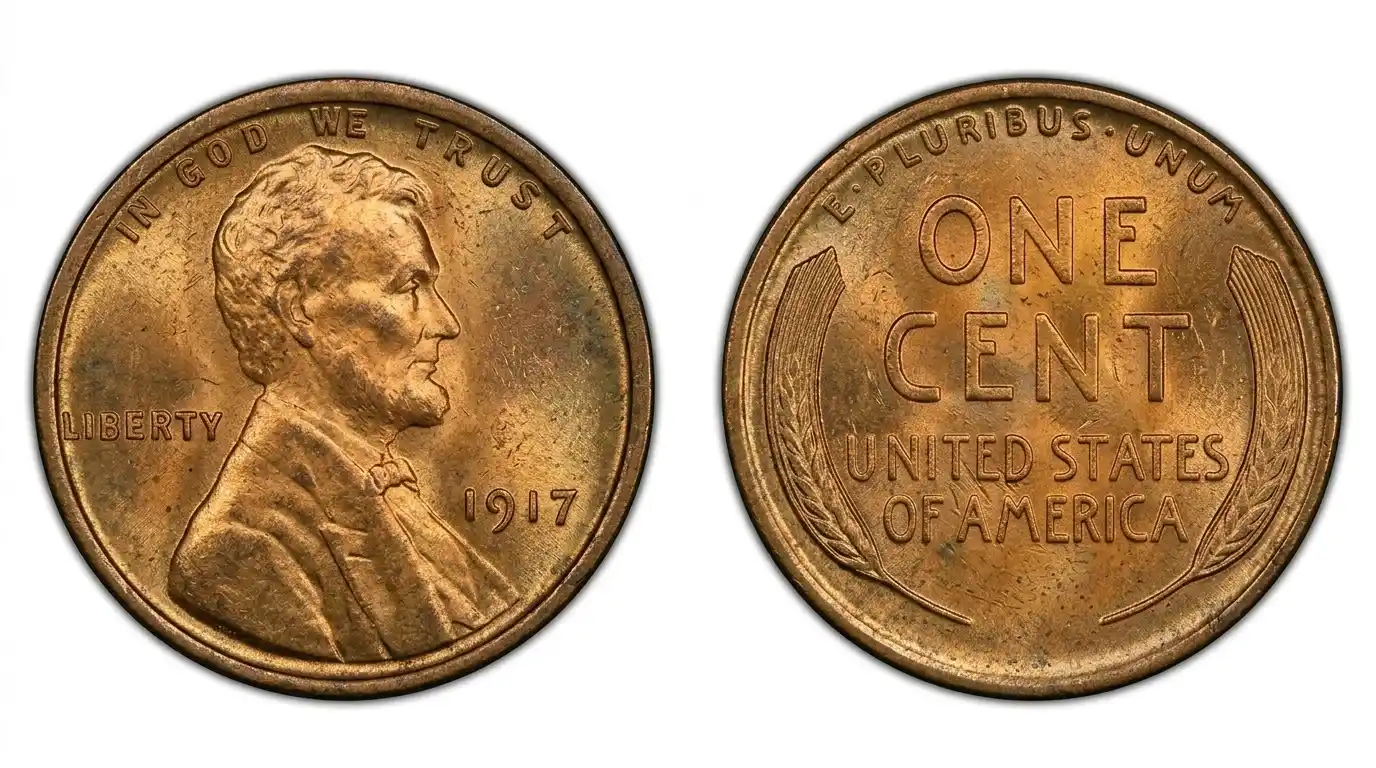
Coins show no signs of relief wear.
Natural metal luster covers the entire disc area.
Dark oxidation spots might be present.
Valuation for such specimens exceeds face value hundreds of times.
Coins stayed in circulation for extremely short durations.
Light wear signs appear on most prominent portrait parts.
Remnants of original luster remain visible around text letters.
Relief exhibits moderate mechanical wear signs.
Wheat ear lines on reverses remain readable throughout lengths.
Inscriptions stay legible without optical device usage.
Presidential portrait details appear almost completely erased.
Legend letters blend into the coin rim.
Ears on reverses remain flat.
Coins possess only minimal value.
Physical intervention into red metal patina structures causes irreparable damage.
Attempts at mechanical appearance improvements lead to total collection value destruction.
Mechanical friction using hard objects → Creation of microscopic scratches on coin fields → Destruction of stamping luster → Reduction of value by ninety percent.
Application of aggressive acids → Dissolving of natural protective oxide layers → Rapid repeated dark spot oxidation → Rejection for certification by leading firms.
Professional NGC service experts instantly identify cleaning signs.
Cleaned specimens lose rights to standard grade reception.
Coins receive special Details labels.
Market value for cleaned coins drops to red metal scrap prices.
Natural patina guarantees coin authenticity.
Conducting independent coin research allows for detecting crude forgeries.
The process involves several mandatory steps.
Weight preparation
Diameter measurement
Edge inspection
Free Coin Appraisal App verification
Date examination
Weight verification
Patina analysis
Each step requires extreme attentiveness.
Calibrated instrument usage guarantees measurement accuracy.